Adaptive Loyalty Frameworks Transform Mobile Gaming Through Unified Transaction Networks
Carlo Walter · May 17, 2026
Adaptive Loyalty Frameworks Transform Mobile Gaming Through Unified Transaction Networks
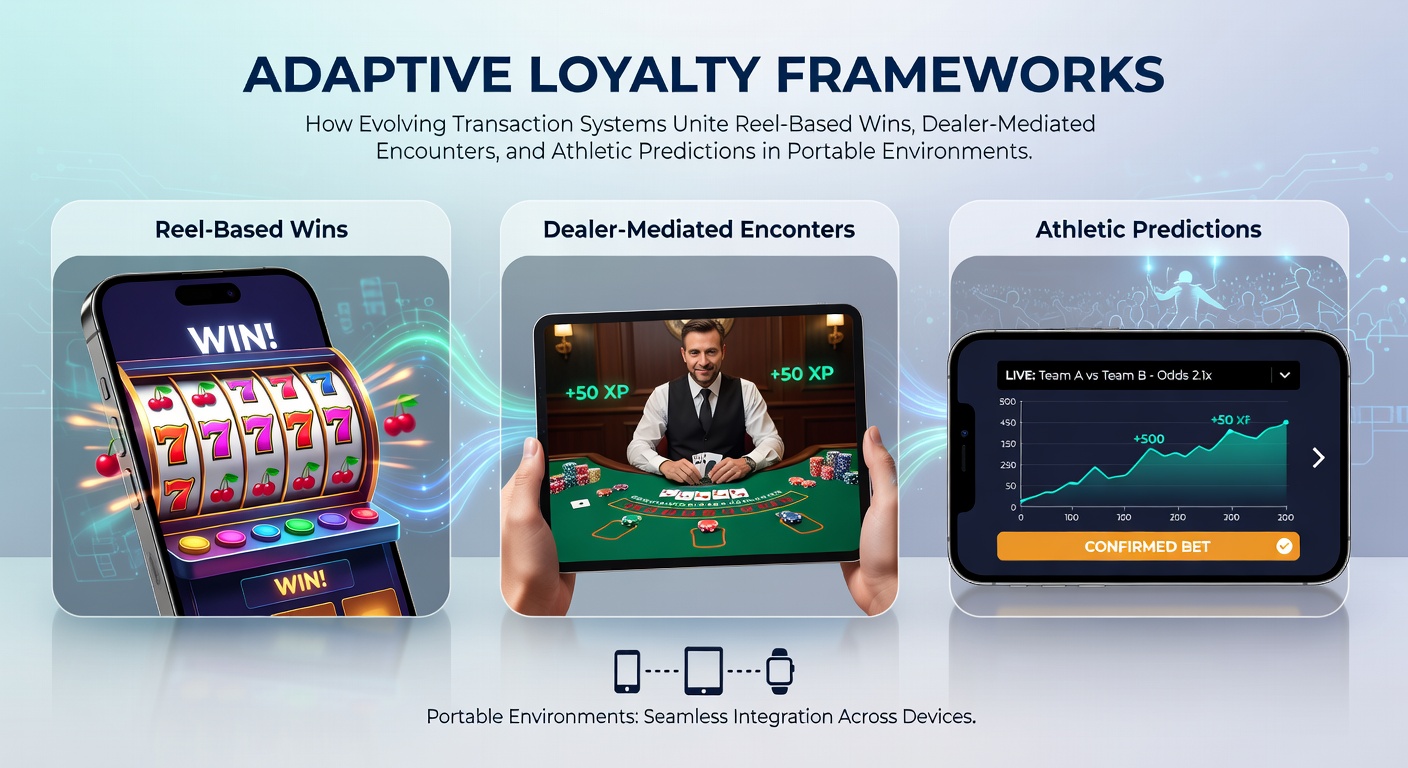
Adaptive loyalty frameworks now connect reel-based wins, dealer-mediated encounters, and athletic predictions within portable environments by using evolving transaction systems that track player activity in real time. These systems adjust rewards dynamically based on participation across multiple game types rather than isolating bonuses to single categories.
Core Mechanics Behind Adaptive Loyalty Systems
Transaction systems have shifted from static point accumulation to layered protocols that recognize cross-category engagement, and observers note this change allows seamless credit transfers between slot sessions, live table interactions, and sports wager outcomes. Data from industry reports shows that platforms implementing these frameworks record higher retention rates when users move fluidly between game verticals without resetting progress indicators.
Researchers at the University of Nevada, Reno documented how algorithmic adjustments in loyalty parameters respond to session length, wager volume, and game variety, creating personalized reward paths that update continuously. This approach replaces fixed bonus tiers with fluid structures that reflect actual player behavior patterns across devices.
Transaction Evolution and Cross-Vertical Integration
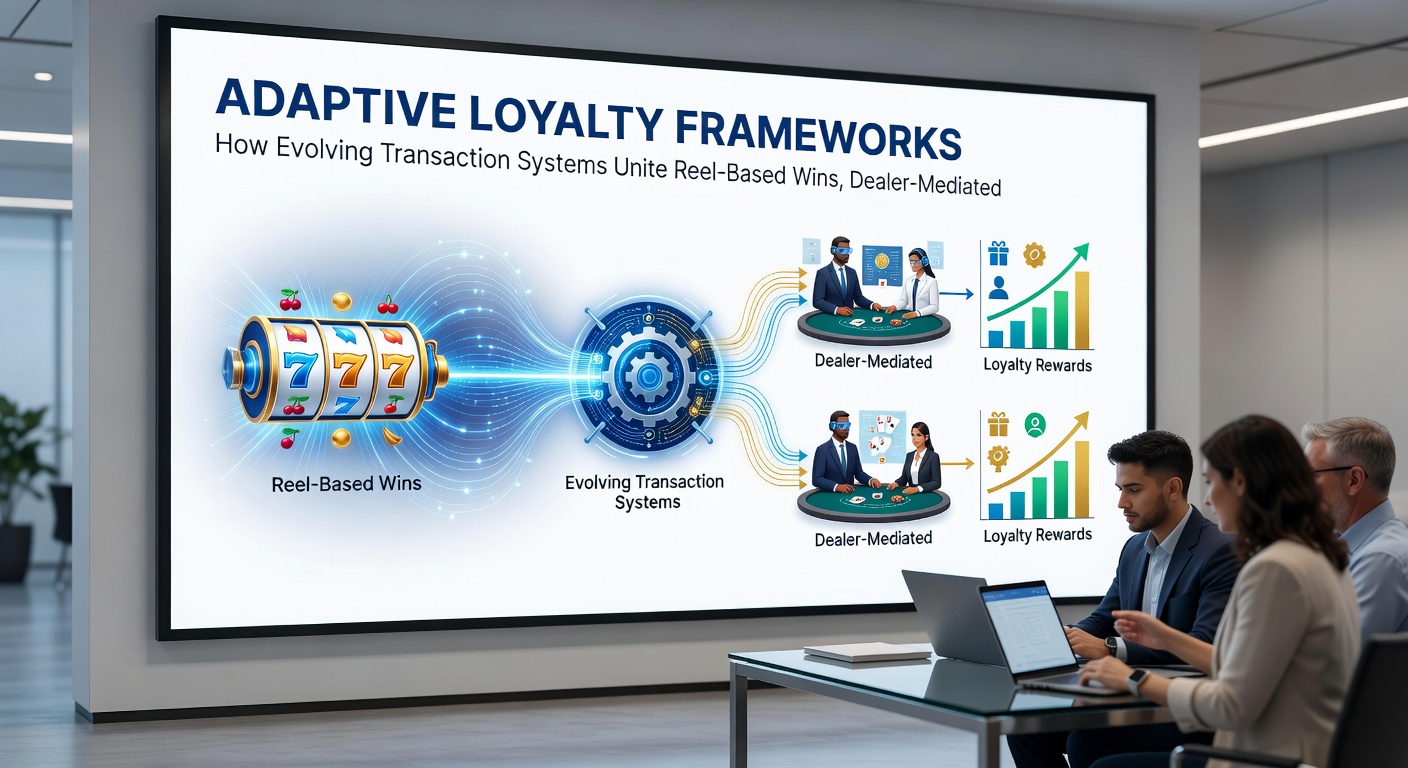
Modern payment gateways now feed directly into loyalty engines, enabling instant recognition of activity whether a user completes a reel spin sequence, participates in a dealer-mediated blackjack round, or places an athletic prediction on a mobile sportsbook interface. According to findings from the Canadian Gaming Association, integrated transaction layers reduce processing delays by up to 40 percent compared to earlier segmented systems.
One study revealed that operators who unified their transaction pipelines across slots, live dealer environments, and sports betting modules achieved more consistent loyalty progression for users switching between categories mid-session. These platforms apply the same point multipliers regardless of game type, eliminating previous barriers that forced players to maintain separate balances.
Reel-Based Wins Within Portable Loyalty Structures
Reel-based games contribute to loyalty accumulation through base spin tracking combined with feature-triggered multipliers that feed into the central framework. Transaction records capture both standard wager amounts and bonus round outcomes, converting them into loyalty units that remain valid when the player transitions to other verticals. Platforms in May 2026 expanded these mechanics to include progressive elements where consecutive reel sessions unlock additional reward layers applicable to live dealer tables or sports predictions.
Dealer-Mediated Encounters and Loyalty Continuity
Live dealer sessions integrate into adaptive frameworks by logging table time, bet frequency, and interaction metrics that align with the same loyalty currency used for reel play. Transaction systems record each hand or round in real time, allowing points earned during dealer-mediated encounters to apply toward thresholds originally set by slot activity. Observers note that this continuity encourages longer overall engagement because players maintain progress across formats without manual transfers.
Athletic Predictions and Unified Reward Flows
Sports betting modules within portable environments now synchronize wager outcomes with loyalty engines originally calibrated for casino products. Athletic predictions generate points based on stake size, event type, and accuracy, which then combine with credits from reel wins or live table sessions. Reports from the Australian Gambling Research Centre indicate that such cross-category tracking increased average user lifetime value when operators linked sports results directly to casino loyalty balances.
Transaction systems handle settlement speed as a key factor, ensuring that winning predictions update loyalty status immediately so players can apply new rewards to upcoming reel or dealer sessions on the same device. This real-time linkage removes previous delays that separated sports betting from casino loyalty progress.
Impact on Portable User Experiences
Mobile environments benefit most from these unified systems because transaction processing occurs within a single application layer. Users access reel-based wins, dealer-mediated encounters, and athletic predictions without switching accounts or losing loyalty momentum. In May 2026, several major operators reported that frameworks supporting multi-vertical tracking reduced account fragmentation and increased session frequency across their mobile user bases.
Conclusion
Adaptive loyalty frameworks continue to reshape how transaction systems manage activity across reel-based wins, dealer-mediated encounters, and athletic predictions in portable environments. The integration relies on continuous data exchange rather than isolated tracking, and current implementations demonstrate measurable effects on player retention and cross-category participation. As transaction technologies advance further, these frameworks will likely expand their capacity to maintain unified reward flows regardless of device or game selection.