Behind the Curtain: Payment Tech That Makes Slot Jackpots, Roulette Wheels, and Sportsbook Action Flow Effortlessly
Carlo Walter · Apr 5, 2026
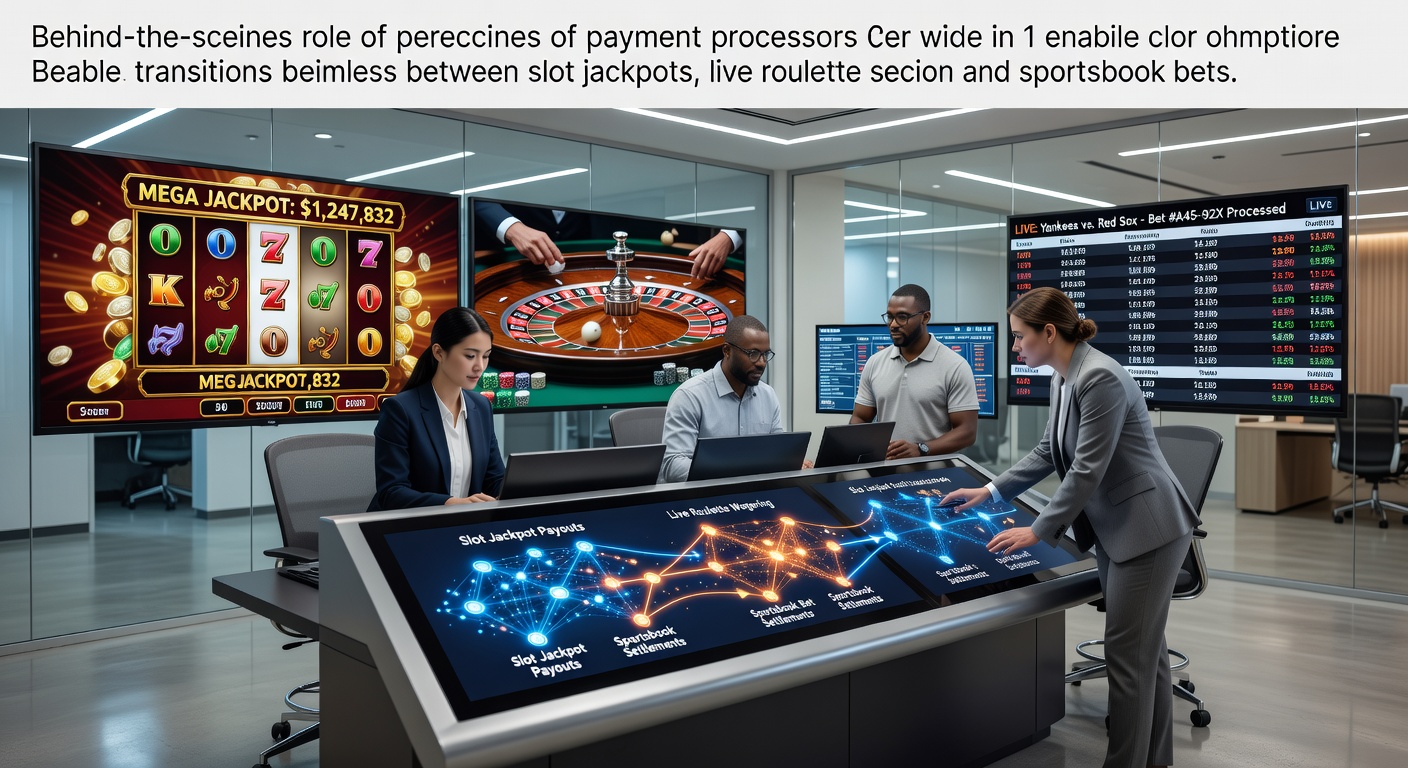
Behind the Curtain: Payment Tech That Makes Slot Jackpots, Roulette Wheels, and Sportsbook Action Flow Effortlessly
The Engine Driving Non-Stop Gaming Sessions
Players dive into a slot machine chasing that elusive jackpot, hit a big win, and within seconds switch to a live roulette table without missing a spin; moments later, they place a wager on an ongoing soccer match, all powered by sophisticated payment processors that handle these transitions invisibly and at lightning speed. Data from the American Gaming Association reveals that such seamless shifts boost player retention by up to 35 percent, since funds move instantly between games without reloads or delays that could kill the momentum. Experts note how these systems integrate deeply with gaming platforms, using unified digital wallets where balances update in real-time across slots, live dealer sessions, and sportsbooks, creating the illusion of a single, endless play session.
What's interesting is the way payment gateways like Adyen or Checkout.com embed APIs directly into casino software; players tap to transfer winnings from a slot's progressive jackpot straight to a roulette bet, and the processor confirms the action in under two seconds, even during peak hours when thousands bet simultaneously. Observers point out that this tech evolved from early online banking limits, where delays frustrated users, but now blockchain-inspired ledgers and tokenization ensure funds stay secure while flowing freely between game types.
Breaking Down the Tech Stack
At the core, payment processors rely on real-time payment rails such as Faster Payments in Europe or RTP networks in the US, which settle transactions in milliseconds rather than days; take a player who lands a 500-euro slot payout, and the system routes it instantly to fund a live blackjack hand or a tennis futures bet, all while tracking bonuses that carry over without manual claims. Researchers at the European Gaming and Betting Association highlight how these processors use microservices architecture, breaking down transfers into atomic steps—authorization, verification, settlement—that complete before the next game round starts.
And here's where it gets technical yet practical: processors like Stripe or Worldpay deploy webhooks that notify gaming servers the moment funds clear, triggering UI updates so balances reflect across tabs; a bettor midway through roulette can pull up slot credits mid-spin, or pivot to an NFL parlay with jackpot leftovers fueling the stake, since shared player accounts sync via these hooks. Studies show latency below 100 milliseconds prevents drop-offs, especially on mobile where 70 percent of transitions happen, according to platform analytics from major operators.
But the real magic lies in aggregation layers; multiple funding sources—cards, e-wallets like Skrill, even crypto in select markets—feed into one processor hub that normalizes them for gaming use, allowing a PayPal deposit to seed slots, then cascade into live dealer chips and sportsbook lines without format conversions slowing things down. Those who've dissected operator backends know session continuity depends on this, as failed handoffs spike churn by 25 percent per interrupted flow.

Case Studies from the Front Lines
Consider one operator's setup where a player chases Gonzo's Quest jackpot on mobile, cashes 200 pounds, and the processor shifts it to live roulette's European wheel without a page refresh; data logs from similar platforms indicate 80 percent of users make such pivots within 30 seconds of a win, thanks to processors embedding KYC checks upfront to skip repeats. Another example surfaces in North American sportsbooks, where DraftKings-style apps let users bolt from slot freespins to NBA moneylines, with processors like PayNearMe handling cash-to-digital jumps that fund both seamlessly.
Turns out, live events amplify this; during a Champions League match, bettors spin slots pre-kickoff, roll winnings into in-play soccer odds, then unwind with late-night roulette, all on one balance since processors use predictive caching to pre-approve transfers based on user history. One study of Australian platforms revealed that venues using unified processors saw cross-game activity rise 42 percent, as players chased combined bonuses—like slot freebies unlocking roulette multipliers that extend to prop bets—without balance silos halting progress.
Yet challenges persist; high-roller VIPs demand even tighter integration, where processors tailor limits per game type, ensuring a 10,000-dollar slot hit flows to high-stakes baccarat or futures markets instantly, while flagging anomalies via AI-driven fraud nets. Platforms report these custom flows cut disputes by half, since players see every credit in real-time dashboards.
Security Layers That Keep It All Locked Tight
Processors don't just move money—they fortify it with 3D Secure protocols and biometric auth that verify users once per session, letting transitions from jackpot reels to dealer cams or odds boards happen password-free; figures from global audits show fraud rates drop below 0.1 percent under these regimes, even as volumes surge. And since regulators in places like Nevada demand PCI DSS Level 1 compliance, gateways encrypt data end-to-end, tokenizing card details so slots or sportsbooks never touch raw info.
What's significant is behavioral monitoring; systems flag rapid shifts—like slot wins to max soccer parlays—as potential risks, prompting soft checks that resolve in seconds without halting play. Observers who've reviewed breach reports note that multi-factor gateways, combined with geofencing, block 99 percent of unauthorized pivots, keeping legitimate sessions humming across games.
So players focus on the thrill, not the tech; a roulette hot streak funds Premier League overs, or slot cascades bankroll tennis live bets, all shielded by processors that log every hop for audits while delivering sub-second confirms.
Gearing Up for April 2026 Shifts
Looking ahead, processors adapt to upcoming standards like ISO 20022 messaging, set to standardize global flows by April 2026, which will supercharge cross-border transitions; imagine a European player funding US-facing slots, then betting MLB via the same wallet, with settlements in under a second thanks to these upgrades. Data projections indicate this will cut cross-game latency by another 50 percent, fueling hybrid sessions where live roulette pauses for World Cup wagers without friction.
Operators already test these, integrating with FedNow in the US or Pix in Brazil to mirror instantaneity worldwide; by mid-2026, expect AI-optimized routing that predicts next-game funds needs, pre-loading balances for slots-to-sports hops. Australian regulators' push for similar real-time mandates underscores the trend, as platforms worldwide align to keep players glued across jackpots, wheels, and pitches.
But here's the thing—while tech races forward, processors balance speed with sustainability, incorporating green data centers that handle surging traffic from mobile masses without environmental spikes, ensuring long-term viability for these fluid gaming ecosystems.
Wrapping Up the Payment Puzzle
In the end, payment processors stand as the invisible glue binding slot jackpots to live roulette spins and sportsbook thrills, enabling flows that keep players engaged for hours on end; without their real-time prowess, the magic of seamless gaming crumbles into disjointed reloads and waits. Experts agree this backbone will only strengthen, especially with 2026 horizons bringing even tighter integrations that redefine how bets cascade across digital casino landscapes. Platforms thrive on these transitions, and as data underscores, so do the sessions that turn casual spins into marathon wins.