Connections Linking Reward Structures, Design Elements, and Payment Efficiency Across Mobile Gaming Platforms
Gisela Albrecht · Aug 20, 2026
Connections Linking Reward Structures, Design Elements, and Payment Efficiency Across Mobile Gaming Platforms
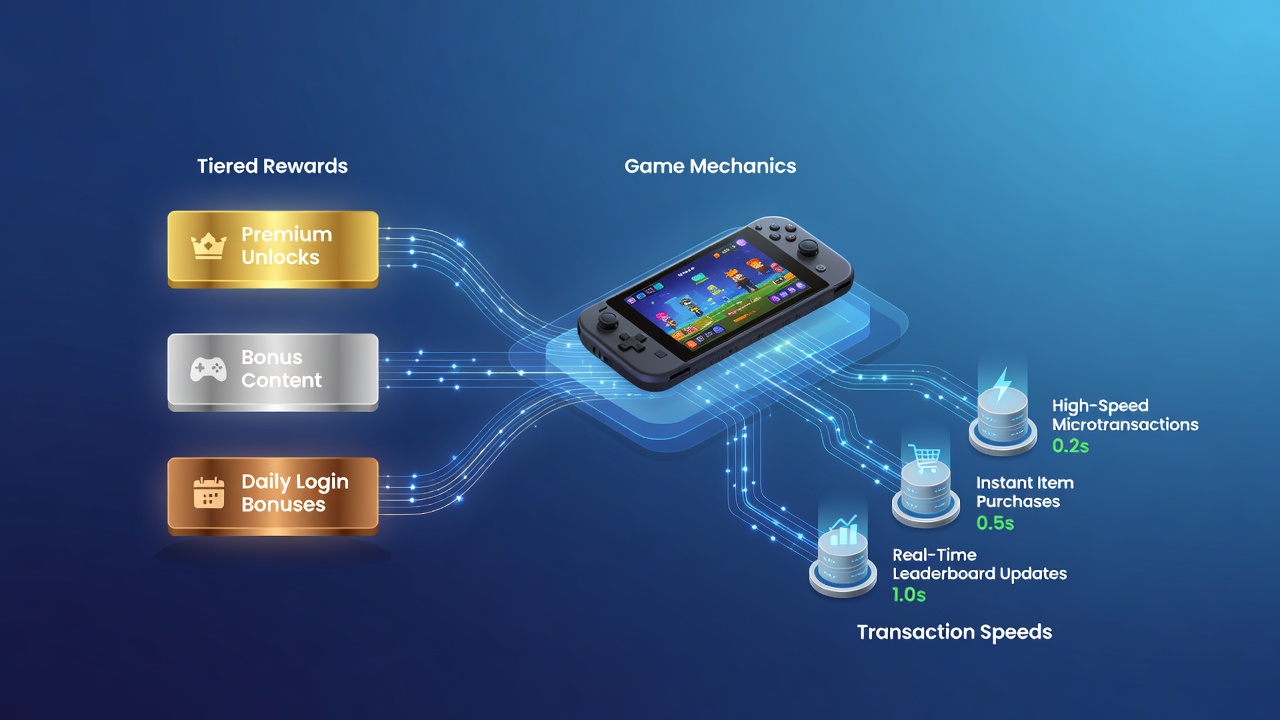
Portable entertainment systems have expanded rapidly since the widespread adoption of smartphones and tablets, creating environments where tiered rewards interact directly with core game mechanics and the speed of financial transactions. Data collected through industry reports shows that these three elements form feedback loops in which faster payment processing enables quicker access to reward tiers while game mechanics adjust to accommodate the resulting player progression patterns.
Researchers at various academic institutions have documented how tiered reward systems operate in mobile titles ranging from puzzle games to open-world adventures. These structures typically divide players into levels based on cumulative activity or spending, unlocking incremental benefits such as resource multipliers or cosmetic items. Game mechanics then integrate these tiers through adjustable difficulty curves and economy balancing that respond to player advancement rates.
Mechanics That Tie Rewards to Player Actions
Game design teams build progression loops where completing specific tasks advances users through reward tiers, and these tasks often require in-app purchases to accelerate. Transaction speeds influence how quickly players reach higher tiers because instant processing removes delays between decision and reward delivery. Studies from North American research centers indicate that platforms with sub-second payment confirmations see higher completion rates for tier-advancement challenges compared with those using traditional processing windows.
Mechanics such as daily login bonuses, streak multipliers, and event-based challenges become more effective when paired with rapid transaction systems. Players who complete a purchase during a limited-time event receive immediate tier elevation, which in turn alters available mechanics like increased energy regeneration or expanded inventory slots. This interconnection means designers must calibrate challenge difficulty against expected transaction throughput to maintain engagement across different user segments.
Payment Processing and Its Influence on Reward Delivery
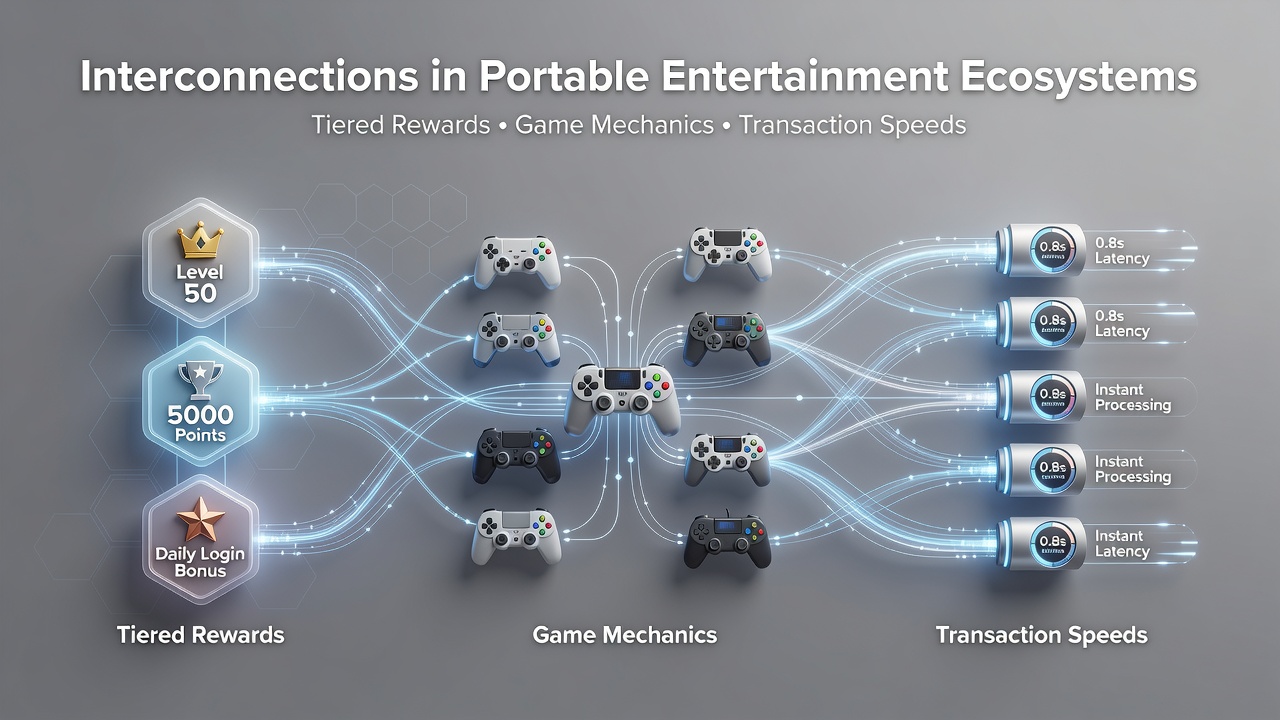
Transaction infrastructure in portable systems relies on integrated payment gateways that handle microtransactions with varying latency. Regions with advanced mobile banking networks demonstrate measurably shorter confirmation times, allowing reward systems to activate without interrupting gameplay flow. Figures from the Entertainment Software Association reveal that average processing durations dropped below two seconds in multiple markets by mid-2025, correlating with expanded use of tiered loyalty features in new releases.
Designers incorporate these speeds into mechanics by creating time-sensitive offers that expire within minutes, pushing players toward immediate purchases. The result appears in data sets where faster gateways coincide with denser clustering of players around mid-to-upper reward tiers. Developers adjust economy parameters accordingly, scaling item costs and benefit values to match the velocity of reward acquisition enabled by quick transactions.
Regional Variations in System Integration
European and Asian markets exhibit distinct patterns in how tiered rewards, mechanics, and transaction speeds combine. Australian regulatory summaries from 2025 note increased adoption of tiered subscription models that bundle faster payment options with exclusive mechanics. Meanwhile, Canadian industry analyses highlight how portable platforms adjust reward frequency based on local payment network reliability.
August 2026 projections from multiple trade associations forecast further reductions in average transaction latency as 5G infrastructure matures, potentially allowing real-time reward adjustments during active play sessions. These developments would require game mechanics to incorporate dynamic balancing tools that respond to instantaneous tier changes without creating exploitable gaps.
Technical Frameworks Supporting the Interconnections
Backend architectures handle the synchronization between reward databases, game servers, and payment processors through standardized APIs. When a transaction completes, the system updates tier status and immediately recalibrates available mechanics such as boosted drop rates or new quest availability. Observers note that latency spikes in any component disrupt this chain, leading to temporary mismatches between player expectations and delivered rewards.
Security protocols add another layer, verifying transactions without introducing noticeable delays that could break immersion. Research papers from institutions in South Korea and Germany have examined how encryption overhead affects overall speed, finding that optimized implementations maintain both security standards and sub-second response times essential for seamless tier progression.
Conclusion
The interplay among tiered rewards, game mechanics, and transaction speeds in portable entertainment systems continues to evolve through iterative design adjustments informed by performance data. Faster processing enables tighter integration of rewards into core loops, while mechanics adapt to prevent imbalances that could arise from rapid tier advancement. Continued monitoring of these connections across global markets provides the factual basis for understanding future platform capabilities.