Integrated Reward Ecosystems Connecting Slots, Sports Events, and Table Games Through Payment Gateways
Casey Zimmermann · Jun 23, 2026
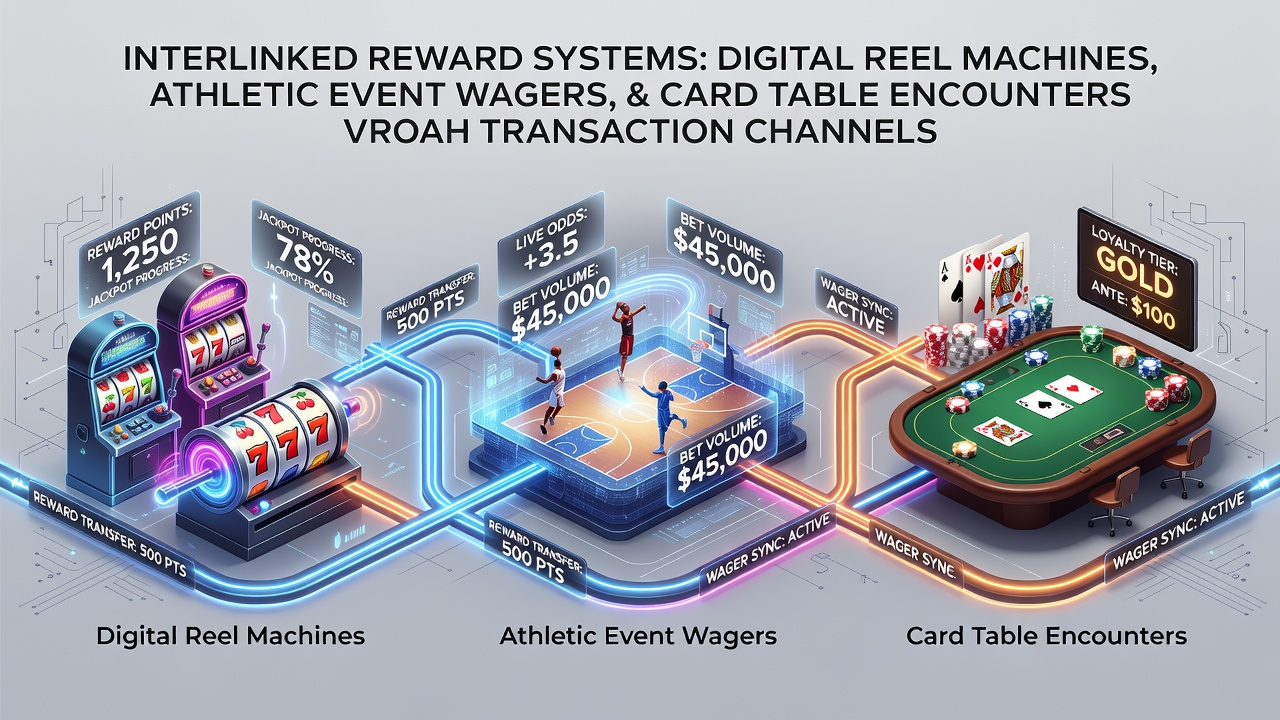
Integrated Reward Ecosystems Connecting Slots, Sports Events, and Table Games Through Payment Gateways
Platforms have developed systems that link digital reel machines with athletic event wagers and card table encounters through shared transaction channels, allowing users to accumulate and redeem rewards across these formats. These frameworks rely on unified payment processing that tracks activity from online slots to live sports markets and table game sessions, creating pathways for bonus progression and loyalty accumulation that span multiple game types.
Data from industry reports indicates that such integrations have expanded since operators began adopting centralized account systems in the mid-2020s, with transaction volumes rising as users move seamlessly between categories. Payment gateways process deposits and withdrawals that feed directly into reward ledgers, where activity on reel machines contributes points that apply toward sports betting credits or table game privileges.
Mechanics of Cross-Format Reward Tracking
Operators implement database structures that record every transaction and game outcome under a single user profile, enabling points earned on digital reel machines to convert into multipliers for athletic event wagers or access to higher-stakes card table encounters. According to figures released by the American Gaming Association, integrated systems now handle over 60 percent of player accounts in major markets, with transaction logs serving as the primary mechanism for reward validation.
Users initiate the process through deposit channels that credit a common wallet, after which gameplay across formats updates a shared loyalty meter. A single deposit processed through an instant gateway might trigger bonuses that activate on slots, carry over to soccer or basketball markets, and extend to blackjack or roulette sessions, with the system logging each step to prevent duplication while maintaining continuity.
Transaction Channels as the Connecting Layer
Payment processors form the backbone of these ecosystems by embedding reward triggers into every financial movement. When funds move from a user's bank or e-wallet into the platform account, the transaction triggers an immediate update to the reward ledger that applies across all three verticals. Research from the University of Nevada, Las Vegas Center for Gaming Research shows that platforms using real-time settlement reduce the time between deposit and reward eligibility from hours to seconds, which in turn increases cross-category participation rates.

June 2026 marks the scheduled rollout of updated technical standards in several jurisdictions that require payment providers to include standardized reward metadata in every transaction record. These standards aim to ensure compatibility between operators while maintaining audit trails that cover reel machine spins, live event bets, and table game decisions under one framework.
Examples of Platform Implementations
One documented case involves a multi-state operator that introduced a tiered program where deposits feed a central points pool, with reel machine activity generating the base rate, sports wagers adding volume multipliers, and table game sessions unlocking premium redemptions. Transaction history from this program, reviewed in industry analyses, shows users averaging 3.2 category switches per session once the unified system went live.
Another implementation in European markets routes all loyalty calculations through a single API layer connected to payment gateways, allowing points from athletic event wagers to apply directly toward free spins on digital reel machines or enhanced limits at card tables. Observers note that such designs reduce fragmentation and keep users within the same transaction ecosystem rather than dispersing activity across separate accounts.
Regulatory Context and Data Oversight
Authorities in multiple regions have begun requiring operators to submit transaction-level data that demonstrates how rewards flow between formats. Reports submitted to bodies such as the Nevada Gaming Control Board include breakdowns of points generated on each vertical and how those points translate into redemptions elsewhere. This level of detail helps regulators track whether systems maintain fairness across the linked categories while preventing unintended concentration of play.
Transaction volume statistics for 2025 reveal that integrated reward systems processed an estimated 28 billion individual game events and financial movements combined, with reel machines accounting for the largest share of entries but sports wagers showing teh fastest growth in reward redemptions. These numbers come from aggregated operator filings rather than single-source estimates, providing a broader view of how payment channels support the interconnections.
Conclusion
Integrated reward ecosystems continue to evolve as operators refine the technical links between digital reel machines, athletic event wagers, and card table encounters. Transaction channels remain the central mechanism that records activity, applies bonuses, and maintains continuity across formats, with upcoming technical standards in June 2026 expected to further standardize these processes. Data from established research institutions and regulatory filings demonstrates measurable increases in cross-category engagement where these systems operate, confirming their role in shaping how users interact with multiple gaming verticals through unified payment pathways.