Loyalty Tiers Uniting Progressive Slot Mechanics, Table Game Variations, and Event-Based Wagering Across Payment Platforms
Carlo Walter · Aug 16, 2026
Loyalty Tiers Uniting Progressive Slot Mechanics, Table Game Variations, and Event-Based Wagering Across Payment Platforms
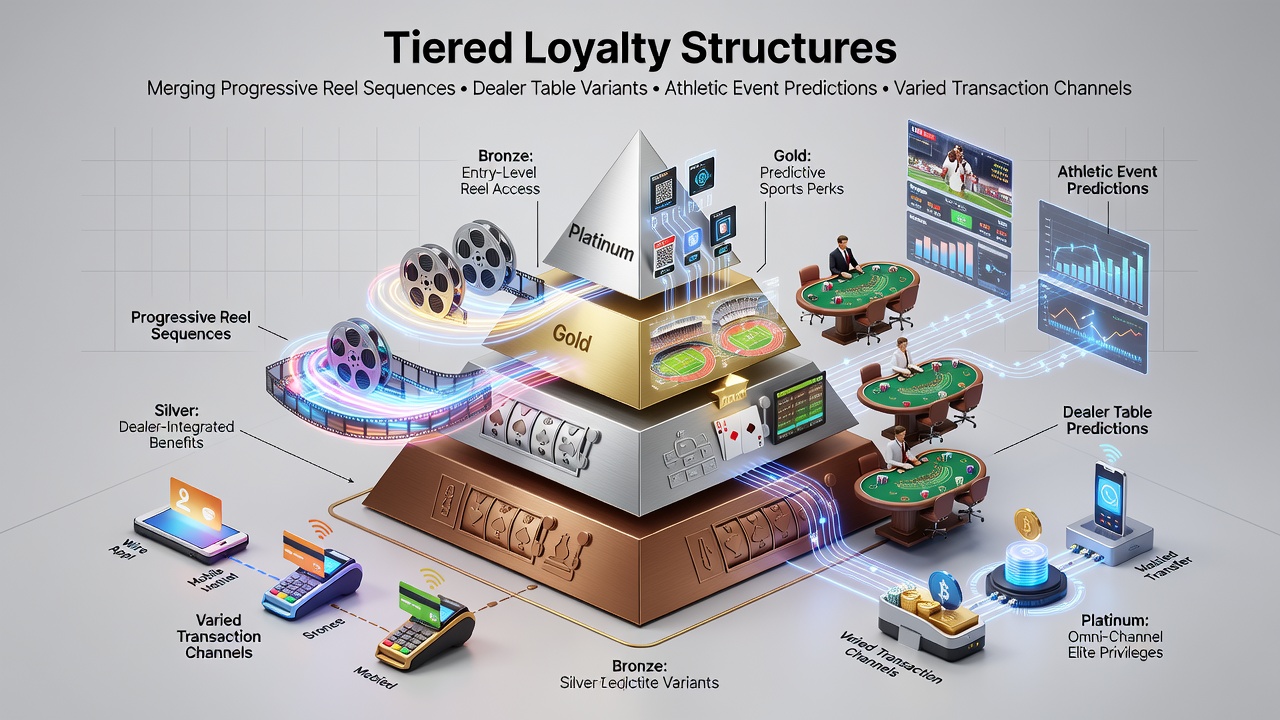
Integrated loyalty frameworks in the gambling sector combine progressive reel sequences from slot machines with dealer table variants and athletic event predictions, all processed through varied transaction channels that include digital wallets, bank transfers, and card networks. These structures track player activity across categories and assign tier levels based on cumulative engagement, which unlocks escalating rewards while maintaining separate progress trackers for each game type. Data from industry analyses shows that operators deploy these systems to consolidate user activity into single profiles that span multiple product lines.
Progressive reel sequences advance through levels where each spin contributes points toward multipliers or bonus rounds, whereas dealer table variants encompass live roulette, blackjack, and poker formats that adjust rules based on tier status. Athletic event predictions integrate odds on soccer matches, horse racing, and other competitions, with loyalty points accruing from wager volume and outcome accuracy. Transaction channels facilitate deposits and withdrawals that feed directly into the loyalty calculation, so a single payment can influence progress in all three areas simultaneously.
Mechanics of Tier Advancement
Entry-level tiers require modest activity thresholds, such as a set number of spins on progressive reels or initial wagers on table games and sports events, while higher tiers demand sustained volume across channels. Observers note that point multipliers increase at each stage, allowing faster accumulation once players reach mid-level status. Research from the Nevada Gaming Control Board indicates that these combined systems have expanded participation rates in multi-product environments since their wider adoption.
Payment variety plays a central role because instant options like e-wallets accelerate point crediting compared with traditional bank methods, which may impose delays. Figures reveal that operators offering crypto channels alongside standard cards report higher cross-category play, as users experiment with different game types without friction in funding. As of August 2026, platform data shows continued growth in these merged loyalty setups, particularly where mobile interfaces link reel progressions directly to live dealer sessions and upcoming match forecasts.
Integration Across Game Categories
Slot progressions feed into the same loyalty ledger that records table game hours and sports prediction accuracy, creating unified advancement paths. A player completing a reel sequence bonus round earns points that apply toward dealer table privileges, such as priority seating or rule variations, and also count toward sports wager enhancements like boosted odds on athletic events. This linkage encourages movement between categories without resetting progress.
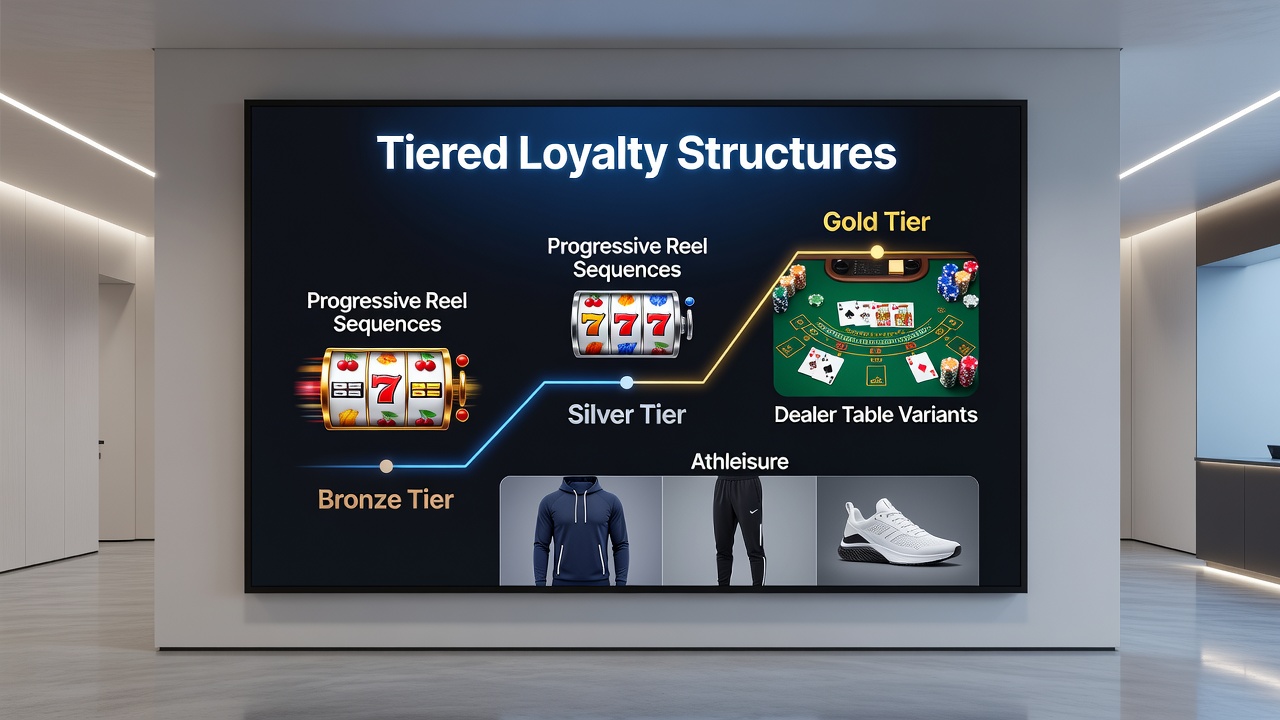
Transaction channels serve as the entry point for all activity, with each deposit tagged to the originating game type yet aggregated for tier purposes. Those who've studied platform metrics observe that varied payment options reduce drop-off rates during tier climbs, since users select the method that matches their preferred game category. One study from the University of Nevada, Reno's gaming research division found correlations between multi-channel payments and increased retention in loyalty programs that span slots, tables, and sports.
Operational Examples and Data Trends
Operators implement these frameworks by mapping reel sequence milestones to table game multipliers and sports prediction bonuses within a shared database. A deposit via digital wallet, for instance, can immediately fund spins that advance reel tiers while simultaneously enabling wagers on live dealer variants or athletic forecasts. Reports from the Australian Communications and Media Authority highlight how such integrations appear in regulated markets where payment diversity supports broader participation.
Take one platform that adjusted its loyalty algorithm in early 2026 to weight sports predictions more heavily during major tournaments; this shift produced measurable upticks in table game sessions among users already progressing through slot tiers. Data indicates that transaction speed influences overall engagement, with faster channels correlating to quicker tier ascents across all categories. Industry associations such as the European Gaming and Betting Association have documented similar patterns in their annual summaries.
Conclusion
Tiered loyalty structures continue to evolve by linking progressive reel sequences, dealer table variants, and athletic event predictions through coordinated transaction channels that streamline point tracking and reward distribution. Evidence from regulatory reports and academic reviews shows these systems maintain separate yet interconnected progress metrics while adapting to payment preferences. As platforms refine these integrations, the focus remains on accurate activity aggregation that spans game types without overlap in core mechanics.