Securing Mobile Pathways: Payment Protocols That Tie Tiered Rewards to Progressive Reels, Live Dealer Tables, and Event-Driven Bets
Gisela Albrecht · May 21, 2026
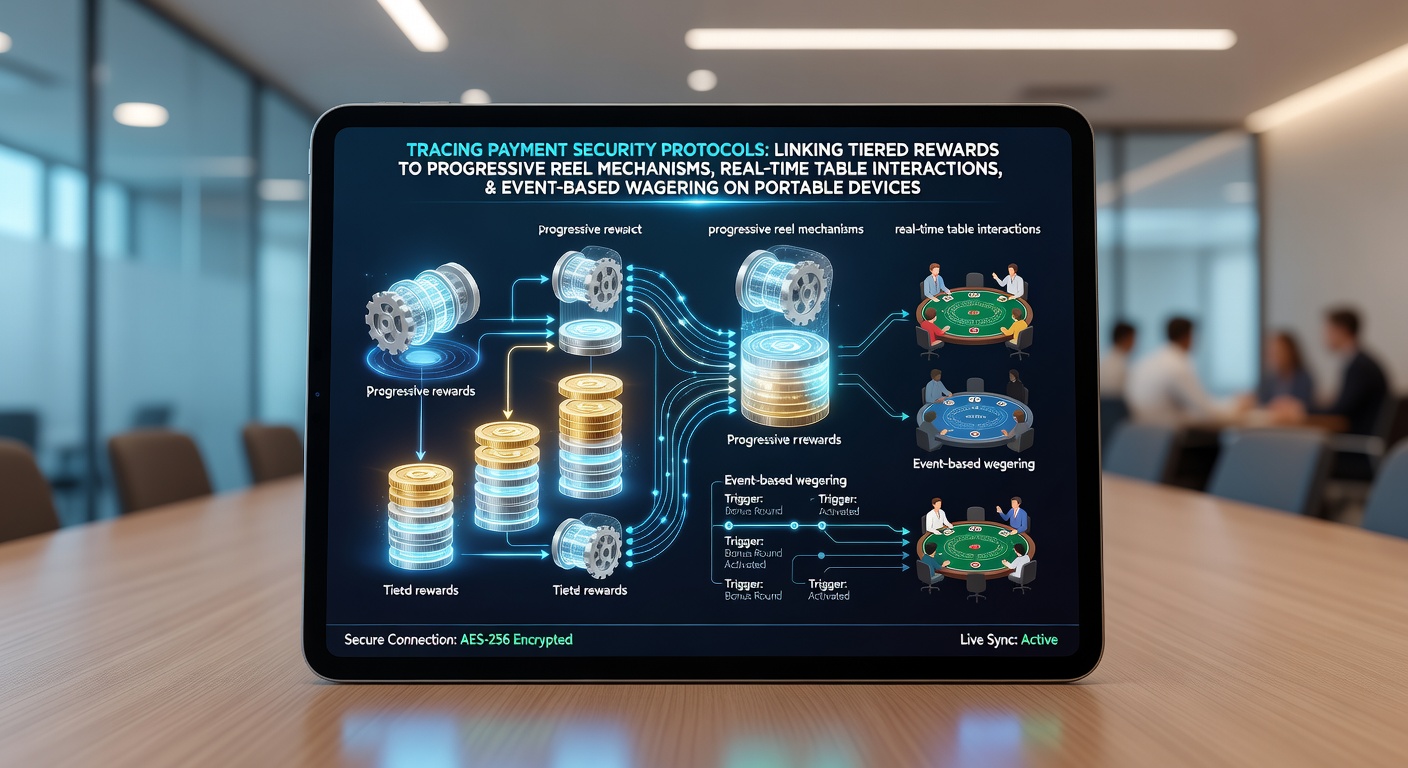
Securing Mobile Pathways: Payment Protocols That Tie Tiered Rewards to Progressive Reels, Live Dealer Tables, and Event-Driven Bets
Payment security protocols now form the backbone that connects tiered loyalty rewards directly to progressive reel mechanisms, real-time table interactions, and event-based wagering across portable devices, allowing operators to maintain encrypted transaction flows while users advance through bonus structures and participate in dynamic games. These systems rely on tokenization standards and end-to-end encryption to verify each wager, reward redemption, and payout without exposing sensitive financial details during live sessions or progressive jackpot builds.
Core Elements of Linked Security Frameworks
Modern platforms integrate multiple layers of authentication that activate whenever a player unlocks a new reward tier, spins a progressive reel, or places an in-play bet on a portable device. Researchers at the University of Nevada's gaming studies center have documented how these protocols use real-time risk scoring to adjust security checks based on the size of the wager and the player's current loyalty level, which helps prevent fraud while keeping gameplay uninterrupted. Observers note that such adaptive measures became standard practice well before May 2026, when widespread adoption of 5G networks further reduced latency in verification steps.
Progressive Reel Mechanisms Under Secure Transaction Chains
Progressive reel systems accumulate jackpot contributions through micro-transactions that travel across the same encrypted channels used for reward tier updates. Each contribution triggers an immediate ledger entry that links back to the player's verified account, ensuring the growing prize pool remains tamper-proof. Data from the American Gaming Association indicates that portable devices now handle over 65 percent of these incremental updates, with security tokens refreshing every few seconds to match reel state changes. This continuous synchronization allows players to watch jackpots climb in real time while their tiered bonuses apply automatically to eligible spins.
Real-Time Table Interactions and Instant Verification
Live dealer tables require payment protocols capable of processing bets within milliseconds of each decision. Security layers here combine device fingerprinting with behavioral analytics so that table actions stay protected even during rapid sequences of hits, stands, or splits. Experts have observed that these same protocols feed directly into reward tracking systems, crediting loyalty points the moment a hand resolves without requiring separate confirmation steps. Portable device users benefit from reduced loading times because the authentication occurs in the background while the video stream continues uninterrupted.
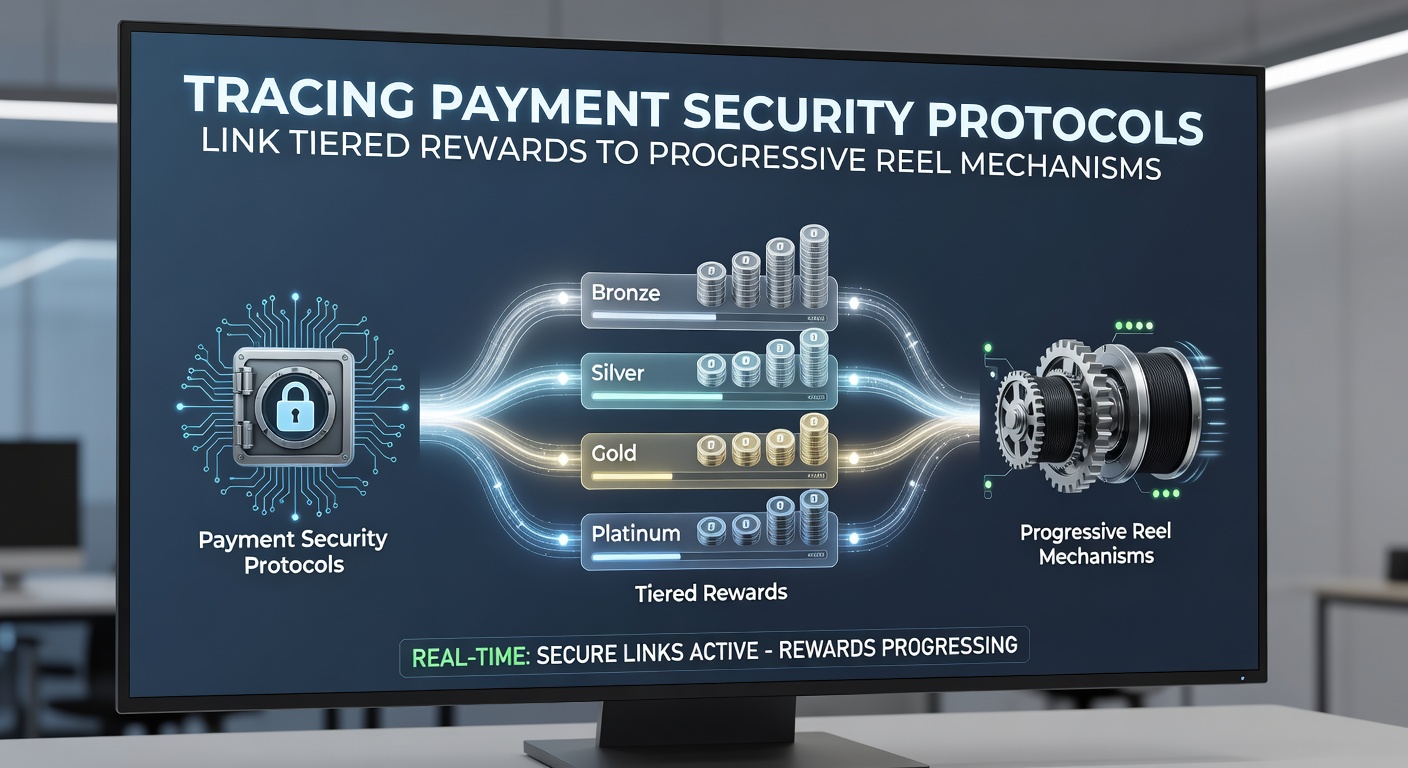
Event-Based Wagering on Portable Devices
Event-based wagering extends the same security infrastructure to conditional bets placed during live sports or casino promotions. When a specific in-game trigger occurs, the protocol validates the user's current reward tier and applies any stacked multipliers before confirming the stake. Studies conducted by the European Gaming and Betting Association have shown that these conditional bets now represent a growing share of mobile activity, with encryption standards ensuring that each triggered wager updates both the player's financial record and their progressive loyalty status simultaneously. As of May 2026, several major platforms reported measurable increases in session length when these linked systems operated without friction.
Integration Across Reward Tiers and Device Ecosystems
Tiered rewards function as dynamic multipliers that adjust security thresholds depending on player status. Higher tiers often receive streamlined verification flows because historical data patterns demonstrate lower risk profiles, yet the underlying encryption and token protocols remain identical across all levels. This consistent backbone allows seamless movement between progressive reel sessions, live dealer tables, and event wagers on the same portable device. Analysts point out that operators achieve this by maintaining a unified transaction ledger that records every reward adjustment alongside each game outcome, creating an auditable trail that meets regulatory requirements in multiple jurisdictions.
Technical Standards Driving Current Practices
Tokenization replaces card details with unique identifiers that expire after each session, while multi-factor authentication adds device-specific checks before any high-value progressive payout or tier advancement. These measures work together to support the continuous data exchange needed for real-time table interactions and event-triggered bets. Industry reports confirm that portable platforms using these combined standards experience fewer interruptions during peak hours, particularly when users shift rapidly between game types while accumulating loyalty benefits.
Conclusion
The evolution of payment security protocols has produced tightly integrated systems that connect tiered rewards to progressive reel mechanisms, real-time table interactions, and event-based wagering on portable devices through shared encryption and verification layers. These frameworks support fluid gameplay while maintaining strict transaction integrity, allowing operators to deliver consistent experiences across loyalty levels and game formats. Continued refinement of these standards will likely shape how mobile platforms manage both security and engagement in the years ahead.