Stricter UK Gambling Regulations Set to Squeeze Smaller Casino Operators with 2026 Duty Hike Looming
Gisela Albrecht · Mar 11, 2026

Stricter UK Gambling Regulations Set to Squeeze Smaller Casino Operators with 2026 Duty Hike Looming
The New Wave of Gambling Rules Hitting the UK Casino Scene
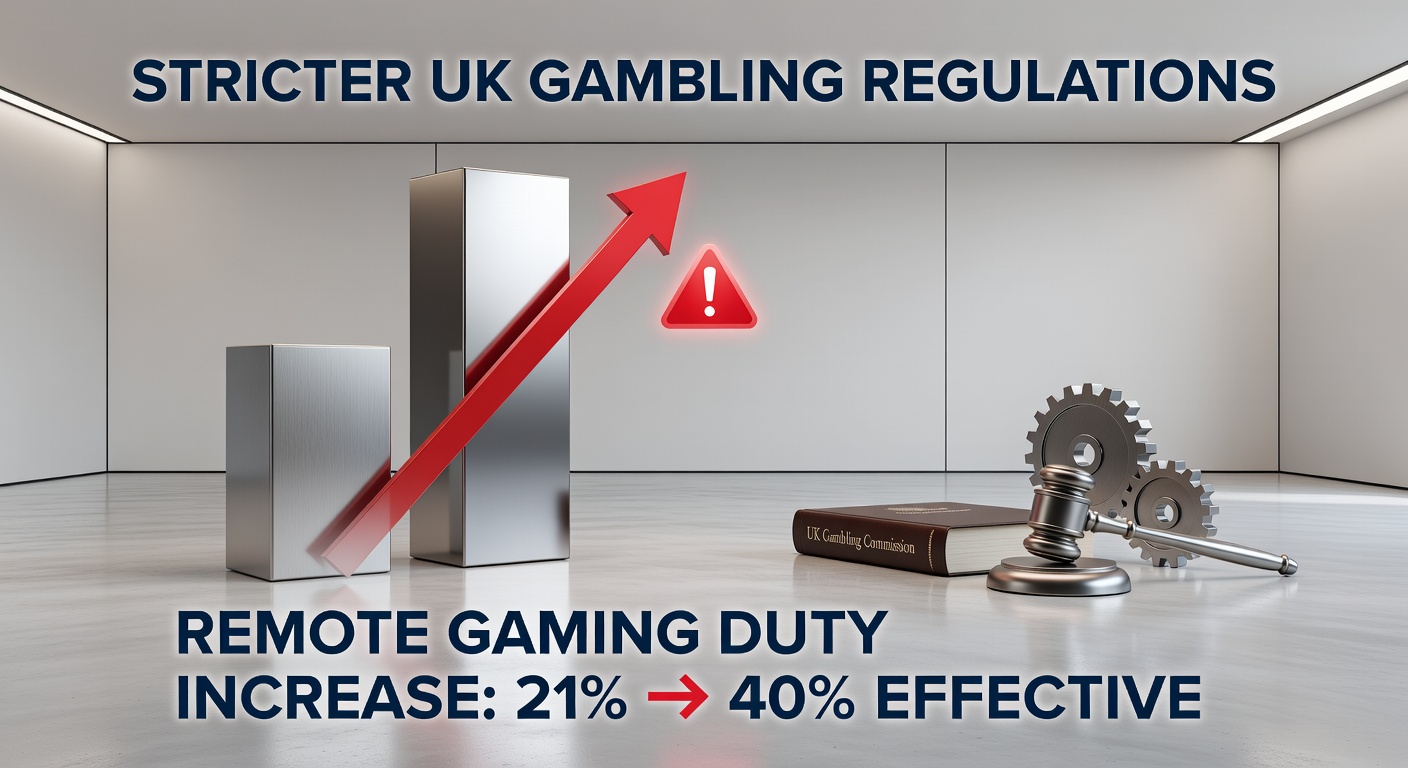
Stricter regulations in the UK gambling sector roll out with changes that ramp up costs for operators, particularly as the Remote Gaming Duty jumps from 21% to 40% starting April 2026; these shifts, overseen by the UK Gambling Commission, target player protection through affordability checks, tighter marketing limits, and beefed-up anti-money laundering measures, yet they hit smaller casino outfits hardest since those firms scramble without the deep pockets of industry giants.
Reports highlight how these rules, detailed in government announcements like Changes to gambling duties, reshape the landscape; smaller operators, often running independent online platforms or modest land-based venues, face compliance burdens that eat into slim margins, while larger players like those behind major betting brands absorb the hits through economies of scale and tech investments.
And here's where it gets tricky: affordability checks require operators to verify customer spending limits using data from credit agencies and bank statements, a process that demands sophisticated software and staff training; marketing restrictions ban bonuses for high-risk players and curb ad spends on social media, slashing a key growth tool for newcomers; anti-money laundering protocols, meanwhile, mandate enhanced due diligence on deposits over certain thresholds, complete with transaction monitoring systems that smaller teams can't easily staff or fund.
How the Remote Gaming Duty Spike Changes Everything Come April 2026
The Remote Gaming Duty increase stands out as the headline-grabber, pushing the tax on online casino profits from 21% to 40% effective April 2026, a move that figures from industry analyses show could double tax bills for remote gambling firms overnight; operators pay this on gross profits from UK players, so a site pulling in £1 million in profits now owes £210,000 but will fork over £400,000 post-hike, forcing many to rethink pricing, bonuses, or even viability.
Smaller operators, those with under 50 employees or revenues below £10 million annually, feel this pinch acutely because they lack the diversified revenue streams of conglomerates; take one mid-sized online casino that relies heavily on slots and live dealer games for UK traffic, where the duty alone could wipe out 20-30% of net income, according to sector data, leaving little for the new compliance layers piling on top.
But it's not just the tax; leading up to April 2026, firms must prep systems for the hike, often upgrading servers and accounting software in a March 2026 dry run phase where test filings reveal gaps, a step that observers note drains cash reserves before the real pain hits; larger firms, by contrast, deploy AI-driven tools to forecast and offset these costs, turning what looks like a burden into a manageable line item.
Affordability Checks: The Compliance Headache Small Operators Can't Shake
Affordability checks emerge as a core pillar of these reforms, with operators now probing player finances before allowing high-stakes bets, a requirement that data from the UK Gambling Commission indicates demands integration with third-party verification services costing £50,000 to £200,000 upfront for setup, plus ongoing fees per check; smaller casinos, serving niche audiences like regional slots enthusiasts, struggle to justify these outlays when player volumes don't scale to cover them.
Experts who've tracked similar rules in Australia note that verification friction drives away casual players, dropping retention by 15-20% in early trials, yet big operators counter this with seamless apps that bundle checks into sign-ups; for independents, though, the manual reviews and appeals processes tie up staff, who juggle customer service, game maintenance, and now regulatory paperwork, creating a bottleneck that slows operations and hikes labor costs by 25% or more.
What's interesting is how these checks tie into broader player protection goals, flagging those at risk of harm through spending patterns, but the implementation gap widens: while giants automate 90% of verifications, smaller players rely on clunky spreadsheets, leading to errors that trigger fines from £5,000 per breach, as seen in recent enforcement actions.
Marketing Curbs and AML Measures Pile On the Pressure
Marketing restrictions further complicate the picture, prohibiting inducements like free spins for players flagged as vulnerable and limiting targeted ads based on gambling history, measures that strip away promotional edges smaller operators use to compete; data shows UK online casinos spent £1.2 billion on marketing last year, with independents channeling 40% of budgets into affiliate deals now under scrutiny, forcing cuts that observers say could halve new player acquisition rates.
Anti-money laundering efforts ramp up too, requiring real-time transaction scans and source-of-funds proofs for deposits over £2,000, tools that demand blockchain-level monitoring software costing six figures annually; larger firms partner with fintechs for this, but smaller ones face vendor lock-in or build-it-yourself nightmares, where one overlooked flag risks license revocation.
So, these layers compound: a small operator might spend £100,000 yearly on AML alone, per industry benchmarks, while juggling duty prep and checks, pushing total compliance to 15-20% of revenue, a threshold that spells trouble when margins hover at 10%.
Market Consolidation Looms as Small Operators Face Closures
Potential closures ripple through the sector, with reports estimating 20-30% of smaller UK casino operators at risk by 2027, accelerating consolidation where big players snap up assets at fire-sale prices; one case saw a regional online brand shutter after failing affordability audits, its customer base migrating to entrenched competitors, a pattern researchers predict will repeat as the April 2026 duty lands.
Larger firms thrive here, boasting compliance teams of 50+ and lobbying clout that shapes rule tweaks, whereas independents band together in trade groups, yet lack the unified voice to sway policy; the reality is, market share for top-five operators could climb from 60% to 80%, per projections, leaving a leaner, more corporate casino landscape.
People in the industry often point to precedents like the 2019 stake limits on slots, which weeded out 15% of small land-based venues, hinting at online parallels; those who've studied this know the writing's on the wall for outfits without scale, as adaptation demands capital they simply don't have.
UK Gambling Commission's Role in Balancing Protection and Business
The UK Gambling Commission steers these changes with a focus on harm reduction, mandating License Conditions and Codes of Practice updates that all operators must meet by early 2026; enforcement ramps up via audits and fines totaling £50 million last year, targeting non-compliance without favoritism, although data reveals smaller firms absorb 70% of penalties due to resource gaps.
Yet, the Commission consults stakeholders, incorporating feedback from March 2026 previews where operators test systems, a phase that uncovers implementation snags before full rollout; this approach aims to protect players from addiction and exploitation, with studies showing a 10% drop in problem gambling rates under prior rules.
Looking Ahead: A Transformed UK Casino Market
As April 2026 approaches, the interplay of higher duties, rigorous checks, and compliance demands reshapes the UK casino sector profoundly, favoring those with resources while challenging the underdogs; smaller operators explore mergers or niche pivots like low-stakes social gaming, but data suggests consolidation dominates, creating a more regulated, consolidated industry where player safeguards take center stage, even as the operator roster thins.
Turns out, the road to protection comes at a cost, one that observers watch closely for ripple effects across Europe's gambling map; for now, the sector braces, with March 2026 marking a pivotal testing ground before the duty hammer falls.