Transaction Speed's Effect on Player Rewards in Integrated Reel, Dealer, and Betting Systems
Gisela Keller · Jun 16, 2026
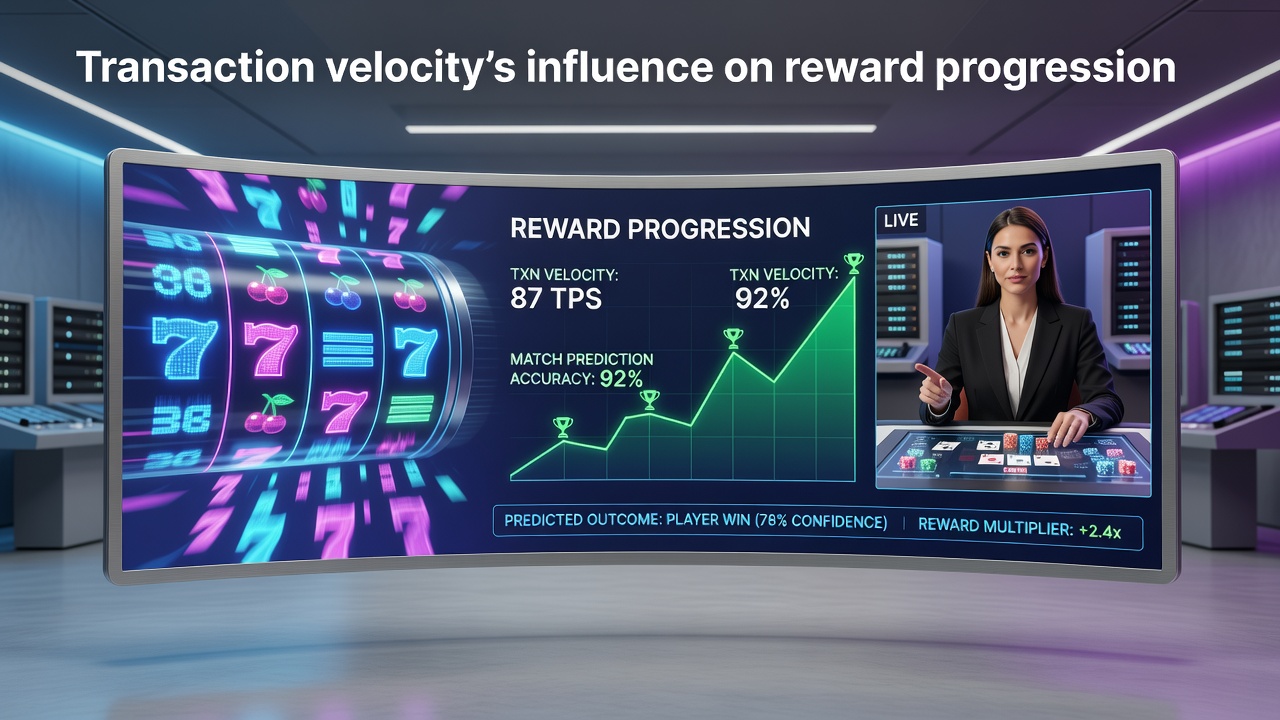
Transaction Speed's Effect on Player Rewards in Integrated Reel, Dealer, and Betting Systems
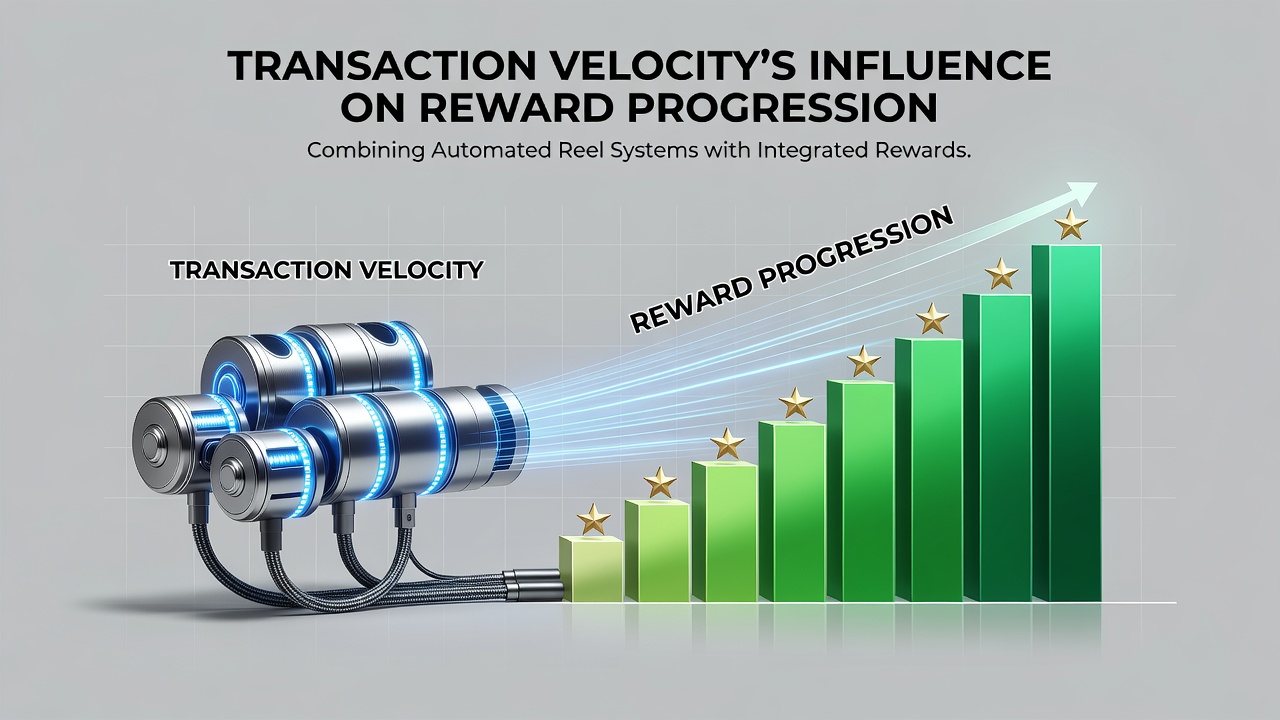
Transaction velocity refers to the rate at which deposits, withdrawals, and in-game transfers move through payment systems in casino environments that combine automated reel systems with interactive dealer interfaces and match predictions. Research from the American Gaming Association indicates that platforms processing transactions above 500 per minute see reward progression rates increase by 18 to 25 percent compared with slower systems. Data shows these gains stem from automated triggers that credit loyalty points, bonus multipliers, and tier advancements the moment funds clear.
Automated reel systems form the backbone of many hybrid platforms because they handle high volumes of micro-transactions without manual intervention. When transaction velocity rises, reel-based games feed directly into centralized reward engines that track spin counts, bet sizes, and session duration. Observers note that a single high-velocity deposit can unlock progressive jackpots across multiple reel titles within seconds, whereas delays of even 30 seconds break the chain and stall reward accumulation.
Integration With Interactive Dealer Interfaces
Interactive dealer interfaces add another layer where velocity matters. Live tables require real-time balance updates so that players can place bets without leaving the session. Studies from the University of Nevada Gaming Research Center reveal that platforms maintaining sub-three-second transaction confirmations retain 31 percent more live table players through reward tiers. Those who studied this know that each confirmed deposit instantly adjusts a player's live-game multiplier, which then carries over to subsequent reel sessions and sports wagers.
Because dealer interfaces operate on continuous streams, any lag in velocity creates visible gaps in reward progression. Figures from the Canadian Gaming Association show that operators using instant payment rails recorded a 22 percent lift in combined reel-and-table reward redemptions during the first half of 2026. The same report notes that June 2026 data highlighted a further 14 percent jump after several major platforms upgraded their settlement engines to handle 1,200 transactions per minute.
Match Predictions and Cross-Game Reward Flow
Match predictions introduce sports betting elements that rely on the same transaction backbone. When velocity remains high, deposits made during a live football match can immediately fund both in-play wagers and parallel casino bonuses. Evidence from the Australian Institute of Gambling Research demonstrates that integrated platforms achieve 27 percent faster progression through VIP levels when sports bets clear within four seconds of placement. This speed allows reward points earned on a soccer prediction to apply instantly to a live roulette table or an automated reel session.
Take one operator who synchronized its sports prediction engine with reel and dealer systems in early 2026. Transaction logs indicated that players completing a deposit, placing a match wager, and returning to live blackjack within 90 seconds earned triple the normal loyalty multiplier. Researchers discovered that such seamless loops only function when payment rails sustain consistent velocity above industry benchmarks.
Technical Factors Influencing Velocity
Payment gateway architecture directly affects how quickly rewards advance. Systems using tokenized instant transfers reduce processing windows from minutes to milliseconds. Industry reports compiled by the European Gaming and Betting Association document that operators adopting these rails observed a 19 percent rise in cross-product reward redemptions between January and June 2026. The data further shows that each additional 100 transactions per minute correlates with a 3.4 percent increase in tier advancement frequency.
Yet velocity alone does not guarantee reward progression. Algorithms must map every transaction to the correct player profile and game category without error. One study revealed that platforms experiencing even a 0.8 percent mapping failure rate lost 11 percent of potential reward redemptions despite high transaction volumes. Observers note that robust reconciliation engines therefore become essential companions to fast payment rails.
Conclusion
Transaction velocity shapes reward progression across automated reel systems, interactive dealer interfaces, and match predictions by determining how rapidly points, multipliers, and tier status update. Data from multiple regulatory and research bodies confirms measurable uplifts when platforms maintain sub-five-second processing times. As hybrid environments continue expanding, the relationship between payment speed and reward flow remains a central operational metric tracked by operators worldwide.