Unified Transaction Systems Bridging Slot Reel Payouts, Table Game Sequences, and Sports Event Stakes
Gisela Keller · Aug 18, 2026
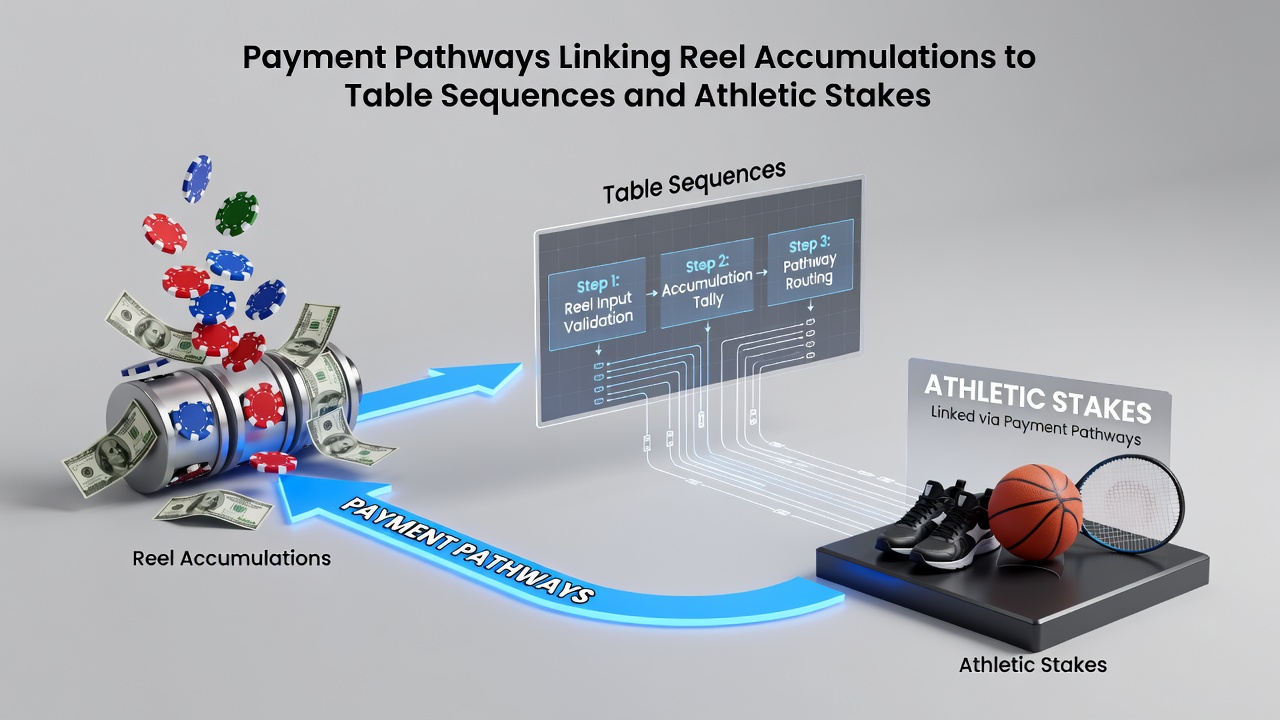
Unified Transaction Systems Bridging Slot Reel Payouts, Table Game Sequences, and Sports Event Stakes
Data from industry reports shows that unified payment systems now route funds across slot reel accumulations, sequential table game outcomes, and athletic event stakes through shared ledgers and real-time authorization layers, while operators in multiple regions track these pathways to maintain compliance with varying licensing conditions. Observers note that these networks rely on application programming interfaces which synchronize balance updates so that a win on one reel machine can transfer directly into a table game session or a live sports market without separate withdrawals.
Core Architecture of Linked Payment Pathways
Payment processors establish common gateways that recognize distinct game identifiers for reels, tables, and sports books, and they apply standardized settlement protocols that clear transactions within seconds across these categories. Research indicates that such architectures use tokenization to protect player accounts, and they enforce session limits that carry over when users move between reel accumulations and table sequences or athletic stakes. In August 2026 several platforms plan to activate enhanced reconciliation modules that will flag cross-category transfers exceeding predefined thresholds, according to technical specifications released by equipment suppliers.
Regulatory Frameworks Across Regions
Authorities in Nevada, through the Gaming Control Board, require that all linked pathways maintain audit trails covering reel payouts, table progressions, and sports wagers under a single compliance umbrella. Figures from the board's 2025 annual review reveal that integrated systems processed over 2.3 billion individual transfers last year, with the majority moving between slot accumulations and athletic betting markets. Meanwhile, the Australian Communications and Media Authority has issued guidance on similar frameworks, emphasizing that operators must separate promotional funds from core balances when those funds cross into table game sequences. Data compiled by the authority shows a 17 percent rise in multi-category session volumes during the first half of 2026.
What's interesting is how these rules intersect with banking regulations that treat each game type as a distinct financial product, yet the payment layer treats them as interchangeable settlement points. One study released by a European research consortium found that latency under 400 milliseconds supports seamless movement from reel wins into live dealer tables and then onward to soccer or tennis stakes, without triggering additional verification steps in most jurisdictions.
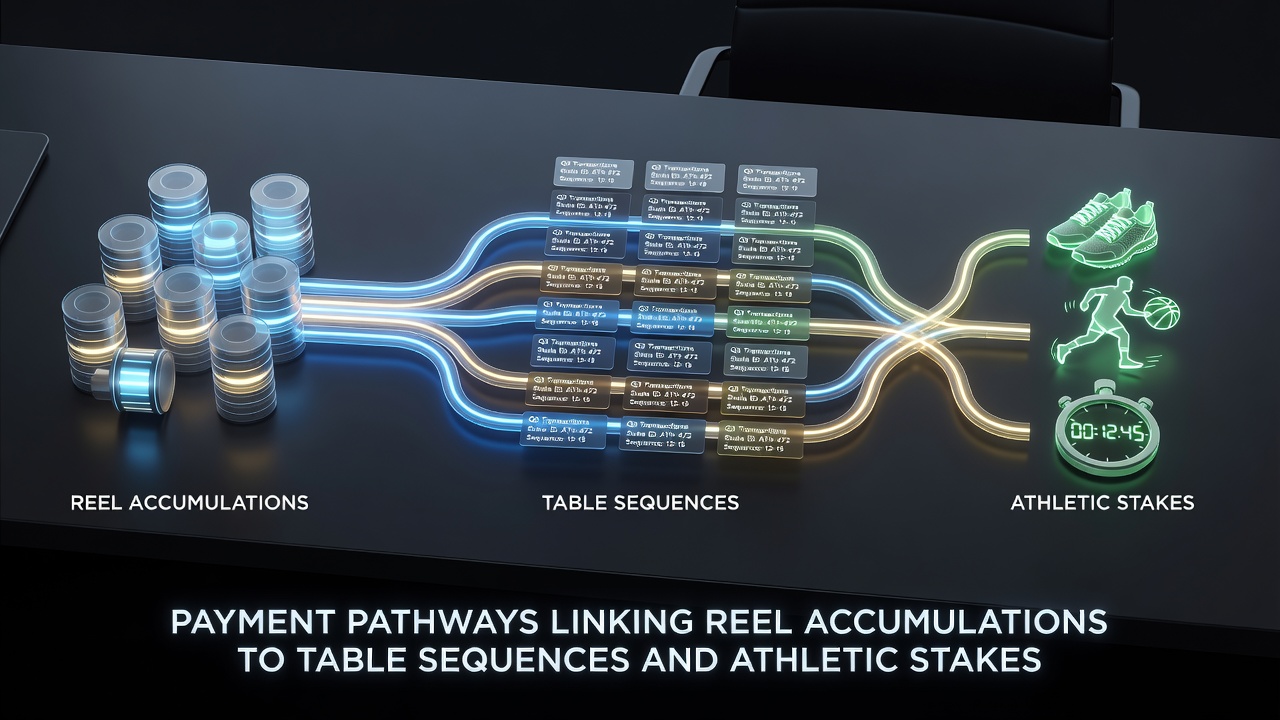
Technical Integration Examples
Take the case of a major North American supplier that deployed a unified wallet solution in 2025; transaction logs indicate that players shifted an average of 4.8 times per hour between reel accumulations and table sequences or athletic stakes. The system employs event-driven triggers that update ledgers instantly when a reel stops or a table hand concludes, and it routes sports bet settlements through the same channel once event results are confirmed. Observers note that this approach reduces abandoned sessions because funds remain available without manual intervention.
Another implementation in Singapore, overseen by the Casino Regulatory Authority, links progressive reel jackpots directly to table game buy-ins and sports parlay options through a central clearing house. Reports from the authority document that average transfer values between these categories reached SGD 187 per session in the second quarter of 2026, reflecting increased player preference for fluid movement across game types.
Security and Compliance Measures
Encryption standards mandated by multiple regulators require that every payment pathway segment, whether handling reel accumulations or table sequences or athletic stakes, uses end-to-end protocols that log both origin and destination game identifiers. Independent audits conducted by firms accredited in Canada and the United States confirm that these logs enable rapid detection of irregular patterns spanning more than one game category. In practice, the process allows operators to apply responsible gaming flags uniformly across all linked activities without maintaining separate monitoring systems for each vertical.
Future Developments Scheduled for 2026
Equipment manufacturers have announced firmware updates that will embed additional metadata fields into payment messages, enabling finer-grained reporting on how reel payouts convert into table game stakes or sports wagers. These changes align with anticipated rule revisions from the New Jersey Division of Gaming Enforcement, which expects operators to demonstrate that cross-category transfers do not bypass existing deposit or withdrawal limits. Preliminary testing data shared by one vendor indicates that the new fields add less than 50 milliseconds to authorization times while providing regulators with clearer visibility into player behavior across reels, tables, and athletic markets.
Conclusion
Payment pathways that connect reel accumulations with table sequences and athletic stakes continue to evolve under the combined influence of technical standards, regional licensing conditions, and operational efficiencies tracked by suppliers and regulators alike. Evidence from multiple oversight bodies demonstrates that these integrated networks support higher transaction volumes while preserving the distinct regulatory treatment required for each game type, and further refinements scheduled through the remainder of 2026 aim to strengthen both security and reporting capabilities without disrupting the underlying flow of funds.